Skip to main contentSkip to footer





Learn how to coordinate your plants to maximize the benefits.

By Melinda Myers – horticulturist and gardening expert
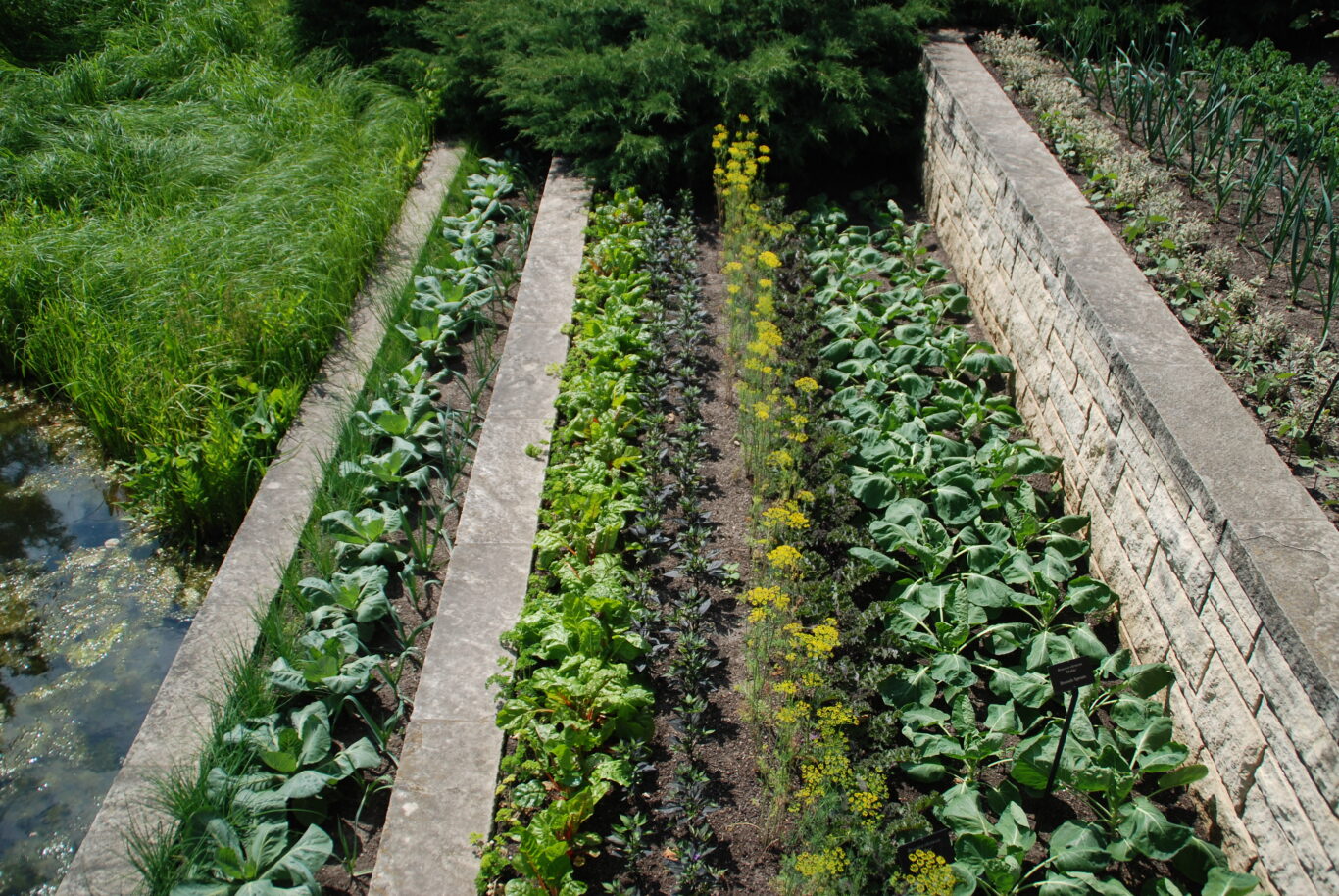
When you think about companion planting, you may picture a garden surrounded by marigolds. I would like you to consider companion planting, as growing a mixture of unrelated plants to help reduce insect and disease problems while promoting the health and productivity of our gardens. This includes planning planting to improve the soil, increase nutrient uptake, and attract pollinators to boost your garden’s beauty and productivity.
As a former University Extension agent, I always look for research-based information to pass along to you. More and more universities are researching the impact plants and plant combinations have on each other and our gardens. This means more information is available to help us maximize the beauty and productivity of our gardens.
Diversify Your Plantings
Diversity has long been practiced and provides many benefits. Using a variety of unrelated plants in a garden bed can help reduce the risk of insects and diseases attacking the planting. Diversifying the varieties of an individual species can also help. The University of California tested four varieties of broccoli. As the number of different varieties in a test plot increased, the more the aphid infestation decreased.
Mixing things up also helps confuse insects that use visual clues to find the plants they prefer. Combining plants of different color, heights, and shapes makes it harder for the insects to find their favorites. Including plants that look like those they prefer attracts them. But when they begin to feed they realize it is not the plant they prefer.
Companion planting has long been promoted to manage insect pests. Understanding how this works is important for success. Marigolds are a perfect example. French and African marigolds produce a substance that is toxic to root nematodes. But the plants must be tilled under at the end of the growing season to release the chemicals into the soil.
A study out of Iowa found that both marigolds and nasturtiums planted with squash helped reduce damage from cucumber beetles and squash bugs. But don’t count on them for repelling wildlife. This is where a fence around the garden or organic Plantskydd repellent can help. Sprinkle the Plantskydd granules on the soil surface or spray the liquid formulation on the non-edible parts of the plant. As always, read and follow label directions for the most effective control.
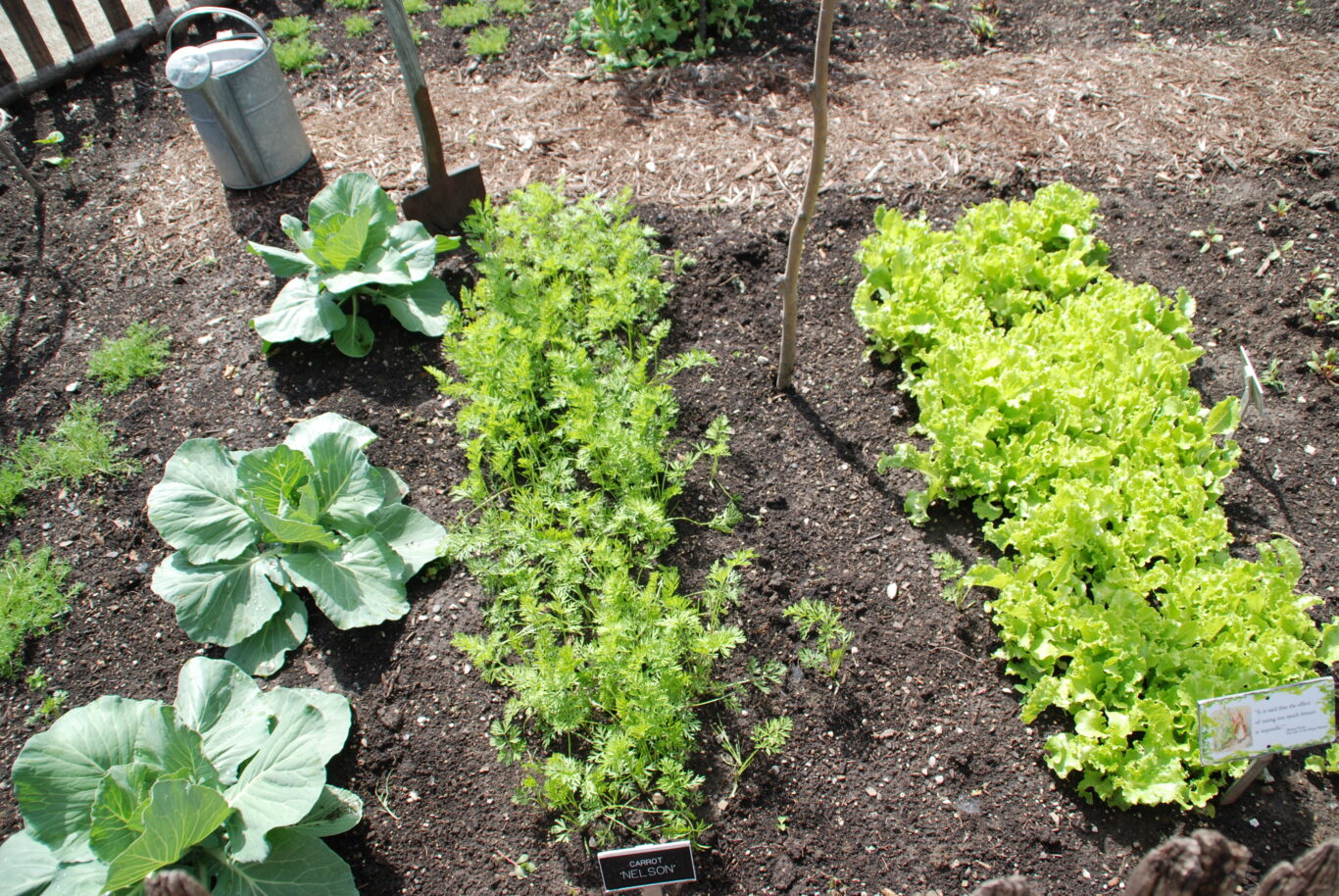
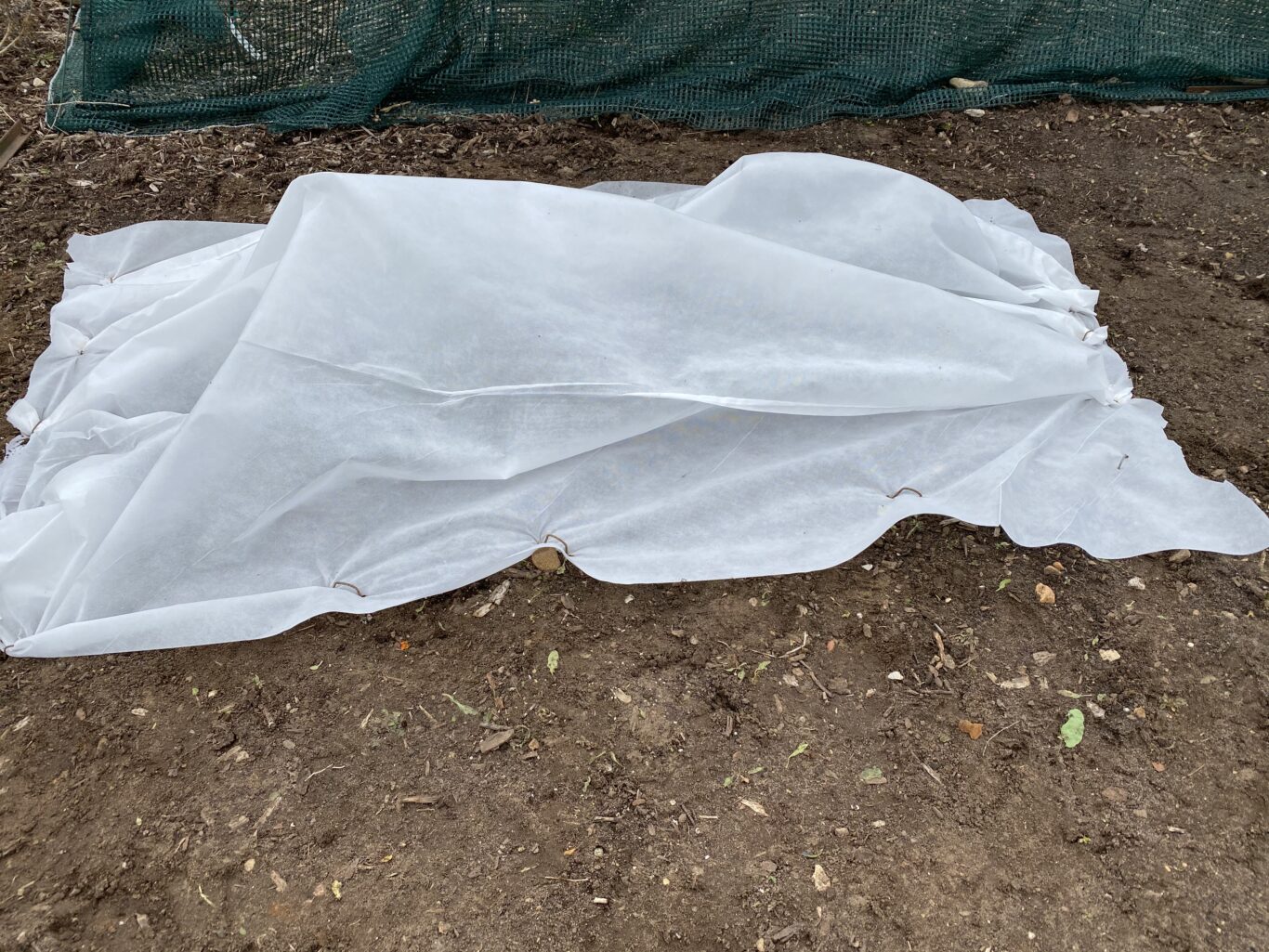
Growing spicier members of the Cabbage family, such as arugula, mustard, rapeseeds, and napa cabbage, helped trap flea beetles, reducing the damage to other plants. Just make sure you want to sacrifice these plants for the good of others. Perhaps covering susceptible plantings with row covers that let air, light, and water through but keep out flea beetles and prevent cabbage worm damage may be a better option for you.
Plant thyme, onions and nasturtiums near broccoli to reduce cabbage looper and cabbage worm damage. Including marigolds, onions and nasturtiums among cabbage plants also reduced the damage done by these two insects.
Grow blue hubbard squash to trap cucumber beetles, squash bugs, and squash vine borers. Plant it away from your desirable plants and several weeks before planting your other squash and pumpkins for the best results. A thorough cleanup of this and other susceptible vine crops in the fall will also help reduce pest populations the following year.
Covering squash and cucumbers with floating row covers at planting helps reduce the risk of bacterial wilt carrying cucumber beetles, squash bugs, and squash vine borer. Remove the row covers as soon as the plants begin producing both male and female flowers so pollination can occur. Don’t use this method when planting susceptible plants in the same location as those grown and attacked the previous year.
Include flowers with a variety of colors and shapes to attract a wide range of pollinators to your garden. Keep the pollinators visiting all season long by including a mix of plants that provide flowers throughout the growing season. You’ll also enjoy the season-long color these plants provide.
Attracting Beneficial Insects
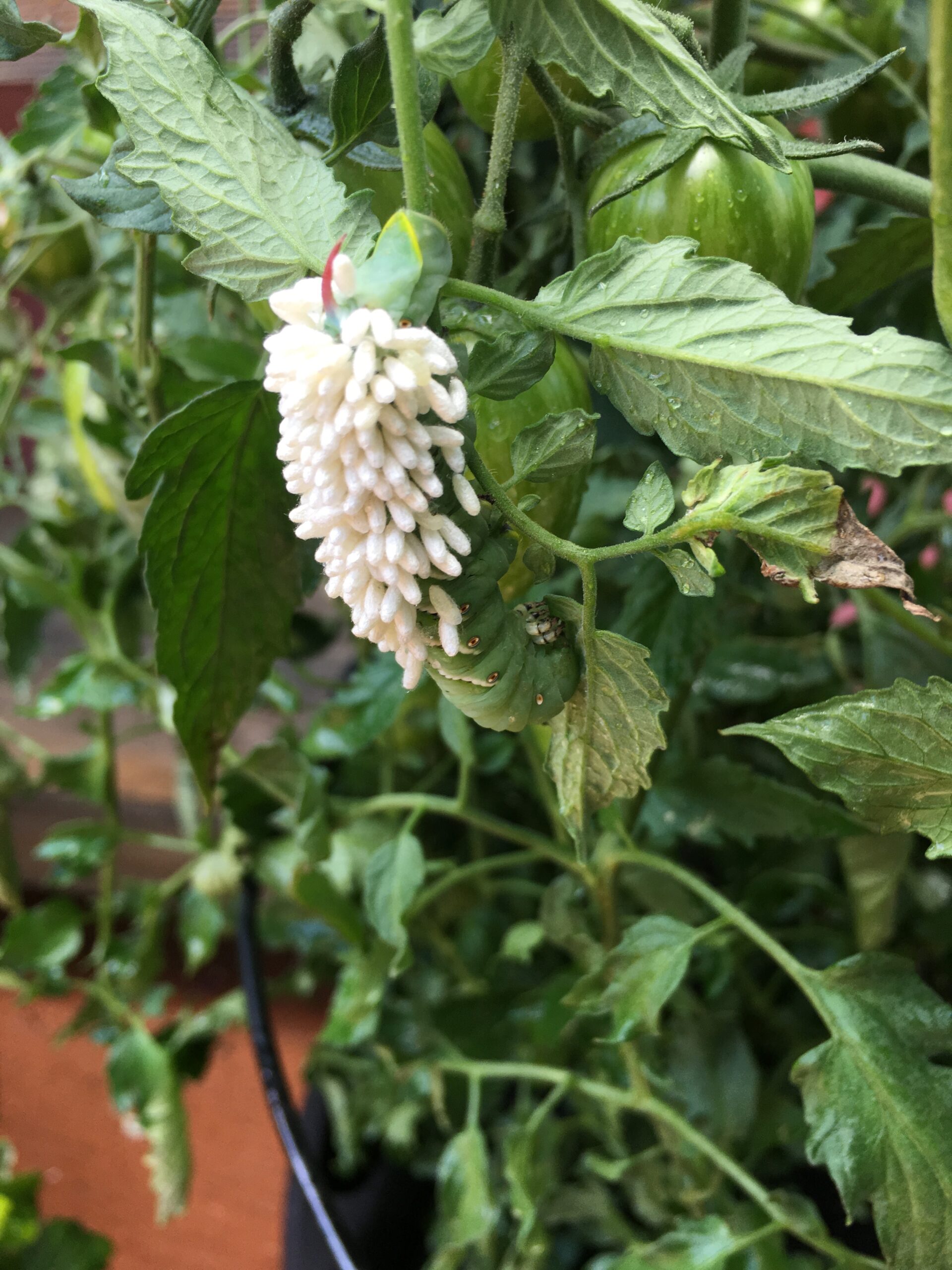
Grow plants to attract predatory insects like lady beetles, green lace wings, wasps, and mites that eat other insects. Many tiny wasps and some other beneficial insects are parasitoids laying their eggs on or in their prey to feed on the host until it dies. You may have found a parasitized tomato hornworm with white rice-like protrusions from its body. These are cocoons of a braconid wasp. The wasp eggs are laid on the hornworm, eventually hatch, and the larvae feed on the inside of the caterpillar until they are ready to pupate into an adult wasp. Allow the wasps to continue their work on the hornworm. Once the adult wasps emerge, they attack and help control other hornworms in your garden.
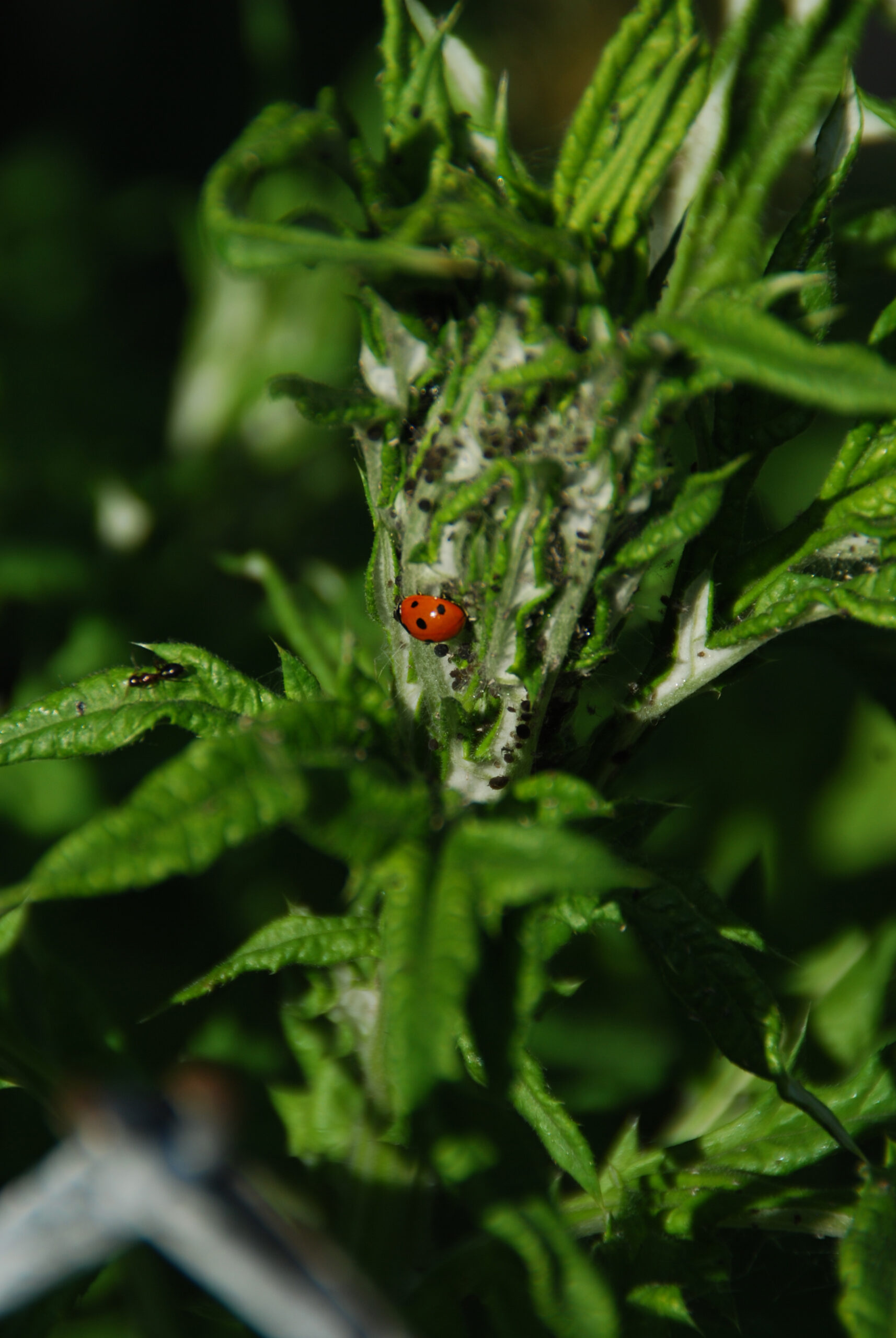
Attract beneficial insects by growing members of the carrot family, like cilantro and dill, that attract small parasitic wasps and flies. Plant colorful members of the aster family, like blanket flower, coreopsis, goldenrod, and sunflowers, that are attractive to lady beetles and soldier beetles. Include members of the pea family that attract a variety of beneficial insects. Grow some sweet alyssum, basket-of-gold alyssum, and mustards to attract both parasitoids and predatory insects. Pop in some verbenas that are pretty to look at and help attract a variety of beneficial insects to the garden.
Plant to Improve the Soil
Growing a variety of plants can also help improve the soil. Plant long tap-rooted radishes like the Daiken to break through heavy, compacted soil for aeration, allowing the plants that follow an easier time developing roots. Include beans, peas, and other legumes in your planting rotations. These plants help fix nitrogen from the atmosphere that is added to the soil. Grow deep-rooted melons and tomatoes to help move water and nutrients from deeper in the soil closer to the surface. This makes these more available to future plantings.
Roots not only help plants absorb water and nutrients, but they also release sugars and other compounds that support soil microbes. Growing a mixture of plants provides a variety of benefits to improve the soil. As the old roots die, they also add organic matter to the soil.
Keeping the soil covered year-round is also important for protecting it from erosion and compaction caused by heavy rainfall. Consider planting cover crops in the off-season or vacant garden beds. These plants help protect the soil, add nutrients, and suppress weeds. Lots of benefits from this one strategy.
As you plan your gardens, consider plant combinations that boost the health, beauty, and productivity of your garden. Continue to monitor for pests and disease throughout the season. Tolerate some damage until beneficial insects or songbirds manage the problem,and handpick and clean up problems when intervention is needed. The more we work with nature, the less work we’ll need to do.